Introduction to Video Surveillance Systems
In today's world, ensuring the safety and security of your home is more important than ever. As a homeowner in Colorado Springs, you might be considering a video surveillance system to safeguard your property. However, the technical jargon and complex features can be overwhelming. This guide breaks down the essentials of video surveillance systems in simple terms, making it easy for you to make informed decisions.
What is a Video Surveillance System?
At its core, a video surveillance system is a combination of cameras and recording devices designed to monitor and record activity in and around your home. These systems help deter criminal activity, provide evidence in the event of an incident, and can even offer peace of mind while you're away.
Key Components of a Video Surveillance System
- Cameras: These are the eyes of your system. They capture video footage of specific areas around your property.
- Recorders: Devices like Digital Video Recorders (DVRs) or Network Video Recorders (NVRs) store the footage captured by the cameras.
- Monitors: Screens where you can view real-time or recorded footage. Many modern systems allow remote viewing on smartphones or computers.
- Cables and Power Supplies: These connect and power your cameras and recorders.
- Network Router: If your system is internet-based, a router will facilitate connections to view footage remotely.
Types of Cameras Explained
Choosing the right camera is key to an effective surveillance system. Here are some common options:
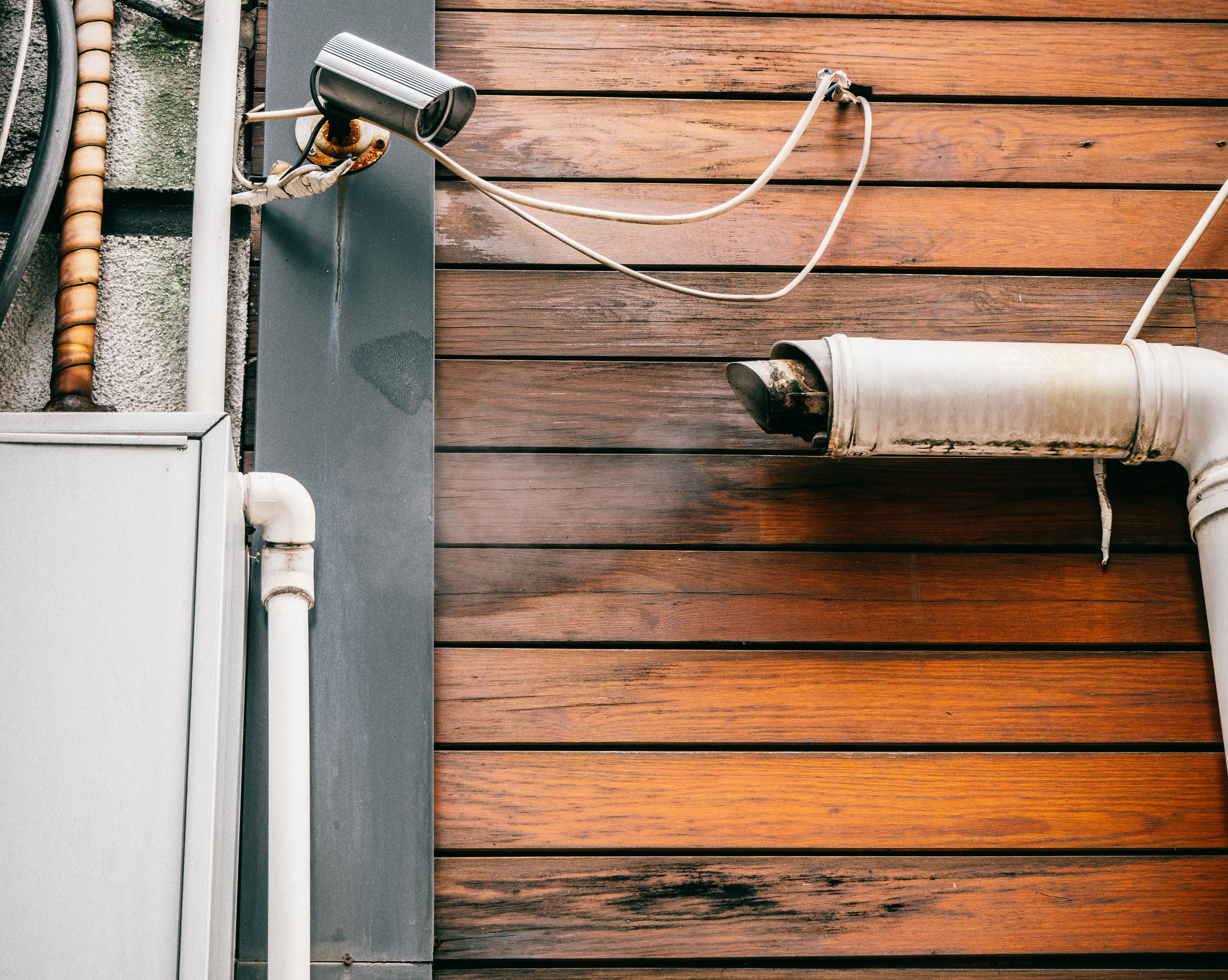

Bullet Cameras
Named for their sleek, cylindrical shape, bullet cameras are ideal for outdoor use. They are designed to capture video over long distances, making them perfect for monitoring driveways or large yards.
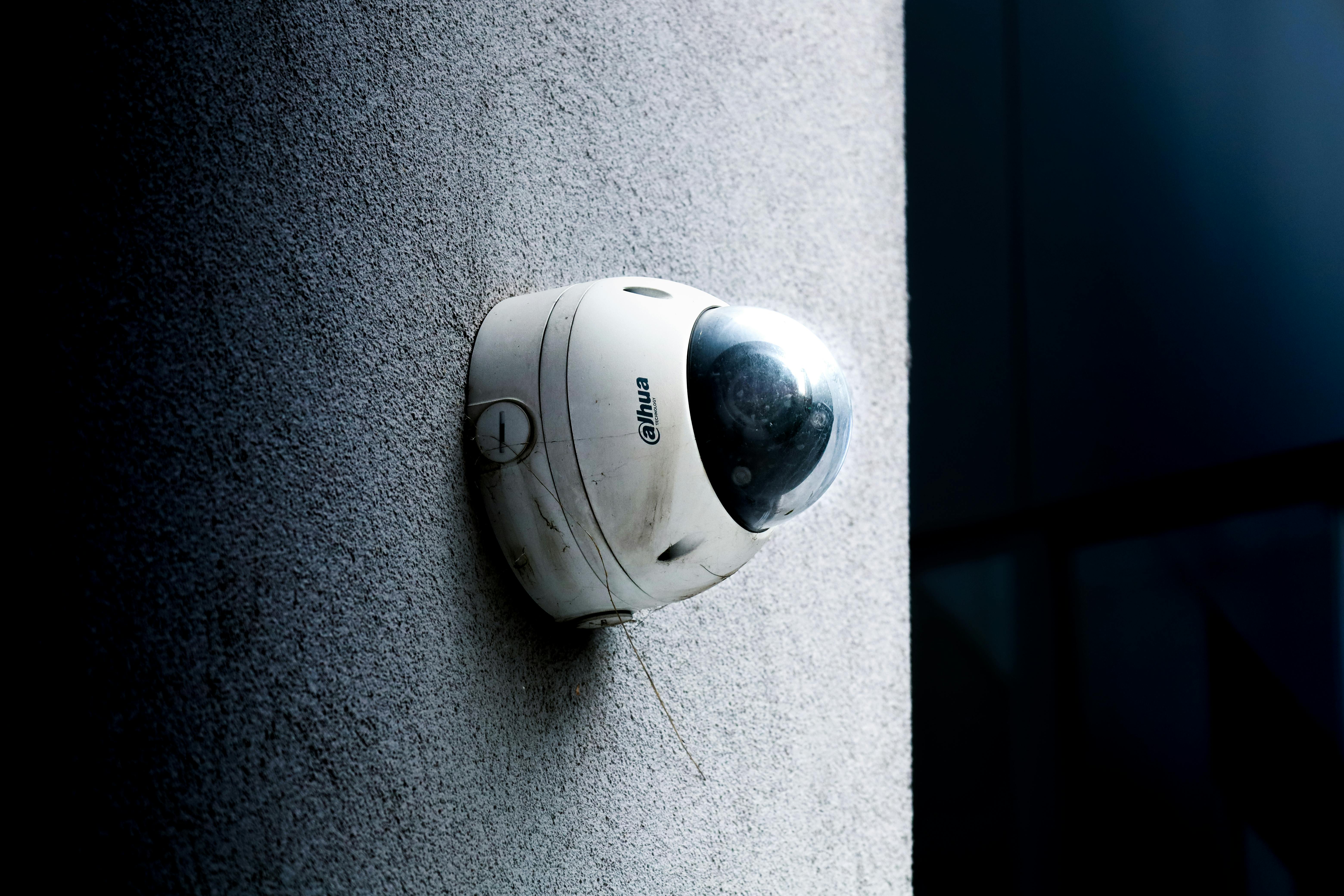
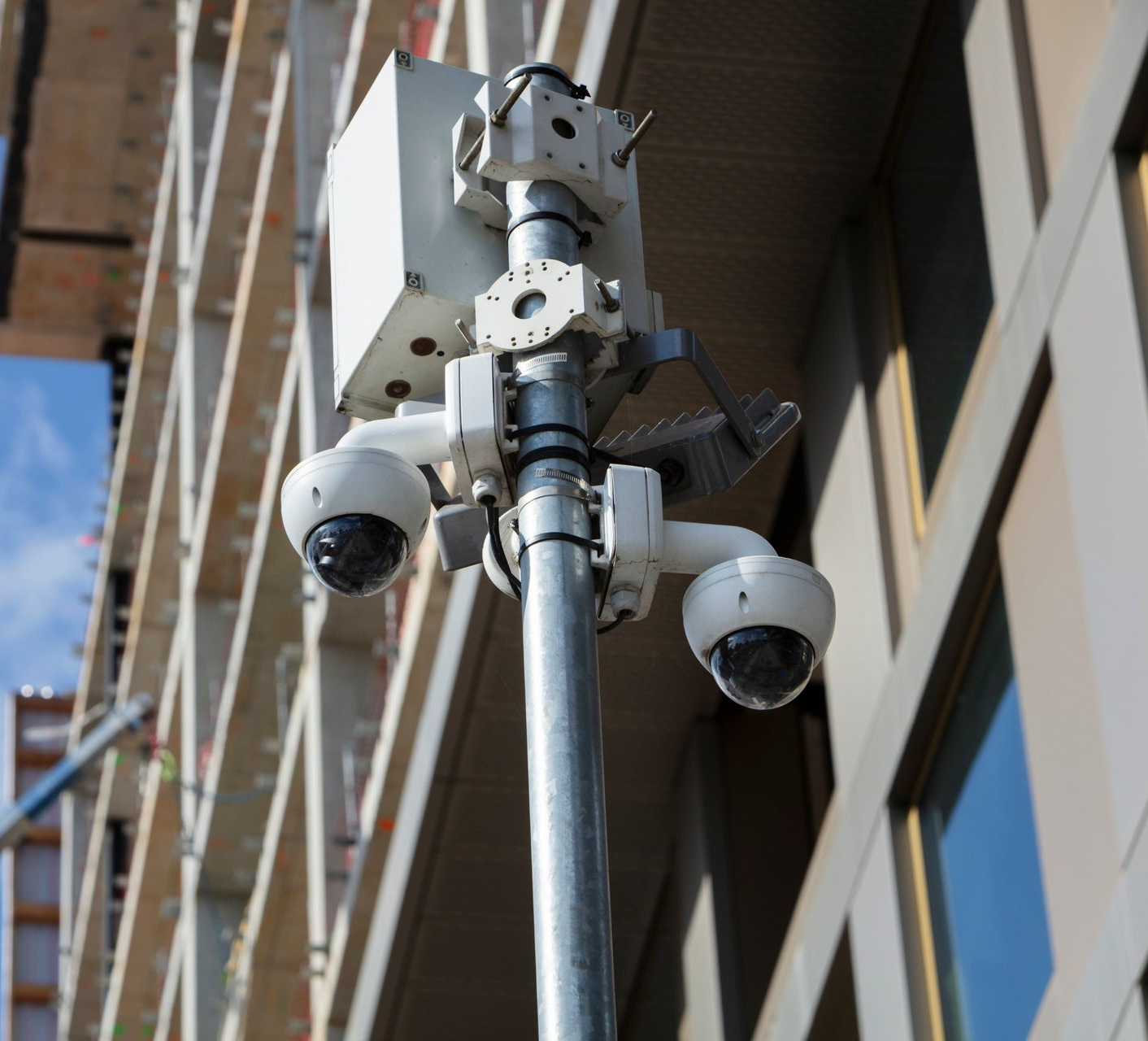
Dome Cameras
These cameras are encased in a dome-shaped housing, offering a discreet appearance. Dome cameras are versatile and can be used both indoors and outdoors. They often provide a wide-angle view, making them suitable for large rooms or open spaces.
PTZ Cameras
PTZ stands for Pan, Tilt, and Zoom. These cameras can be remotely controlled to move and zoom in on specific areas, providing maximum coverage and flexibility.
Wireless Cameras
Wireless cameras connect to your home network without the need for extensive wiring. They are easy to install and can be moved around easily, but may require a strong Wi-Fi connection for optimal performance.
Understanding Recording Devices: DVR vs. NVR
When it comes to recording devices, you might encounter the terms DVR and NVR. Here's a simple breakdown:
Digital Video Recorder (DVR)
DVRs work with analog cameras and convert analog signals into digital format. They are generally more affordable and suitable for basic setups.
Network Video Recorder (NVR)
NVRs work with digital cameras, which send video data over a network. They offer higher quality video and are more flexible, particularly for larger or more complex installations.
Choosing the Right System for Your Home
When selecting a video surveillance system, consider the following factors:
Coverage Area
Determine which areas of your property you want to monitor. This will help you decide on the number and type of cameras needed.
Resolution
Higher resolution cameras offer clearer images, which can be crucial for identifying faces or license plates. Look for systems that offer at least 1080p resolution.
Night Vision
If you need 24/7 surveillance, ensure your cameras have night vision capabilities to capture clear footage in low-light conditions.
Remote Access
Consider systems that allow you to view live footage remotely via your smartphone or computer, providing peace of mind no matter where you are.
Installation Tips for Homeowners
Installing a video surveillance system can be straightforward with the right preparation. Here are some tips to get you started:
Plan Your Layout
Before installation, map out where each camera will be placed. Consider entry points, blind spots, and areas of high traffic.
Height and Angle
Install cameras at a height that is out of reach but still provides a clear view. The angle should cover the desired area without obstruction.
Secure Wiring
If your system uses wired cameras, ensure all cables are securely fastened and protected from the elements and potential tampering.
Test Your System
Once installed, test each camera and the recording device to ensure everything is functioning correctly. Check the footage on different devices to confirm remote access capabilities.
Conclusion: Enhancing Your Home Security
By understanding the basics of video surveillance systems, you can confidently choose and install a setup that meets your security needs. Whether you're looking to deter potential intruders or simply want to keep an eye on your property while you're away, a well-chosen system offers invaluable peace of mind. For personalized assistance, consider consulting with professionals like Video Surveillance Solutions in Colorado Springs, who can tailor a system to your specific requirements.
For more information or to schedule a consultation, visit our website or contact us directly. Safeguard your home with the latest in video surveillance technology today.