Introduction to Home Surveillance
With advancements in technology, securing your home with a video surveillance system is more accessible than ever. As a homeowner in Colorado Springs, you may be considering installing a surveillance system to safeguard your property. In this guide, we'll walk you through the basic steps to set up your first home video surveillance system in 2026, ensuring peace of mind and security for your family.
Why Install a Home Surveillance System?
Home surveillance systems provide numerous benefits, including deterring potential intruders, monitoring your property in real-time, and providing valuable evidence in the event of an incident. With the latest innovations in video surveillance, homeowners can now enjoy features like ultra-high-definition cameras, night vision, and smart home integration.
Choosing the Right Surveillance System
Identify Your Needs
Before purchasing a system, consider your specific needs. Do you need indoor cameras, outdoor cameras, or both? Are you interested in features like motion detection, two-way audio, or remote monitoring? Understanding your requirements will help you select the right system.
Research and Compare Options
There are various security systems available in the market. Look for reputable brands that offer robust customer support and have positive reviews. Compare different systems based on features, ease of installation, and cost.
Consider Professional Guidance
While this guide is designed to assist you with a DIY installation, consulting with a professional can provide valuable insights into system selection and placement to optimize security coverage.
Gathering Your Equipment
Once you've chosen your system, gather all the necessary equipment. This typically includes cameras, a DVR or NVR for recording, cables, a power supply, and a monitor or smartphone for viewing footage.
Step-by-Step Installation Guide
1. Plan Camera Placement
Determine the most strategic locations for your cameras. Focus on entry points, such as doors and windows, and any vulnerable areas like driveways or backyards. Consider factors like field of view and potential obstructions.
2. Install the Cameras
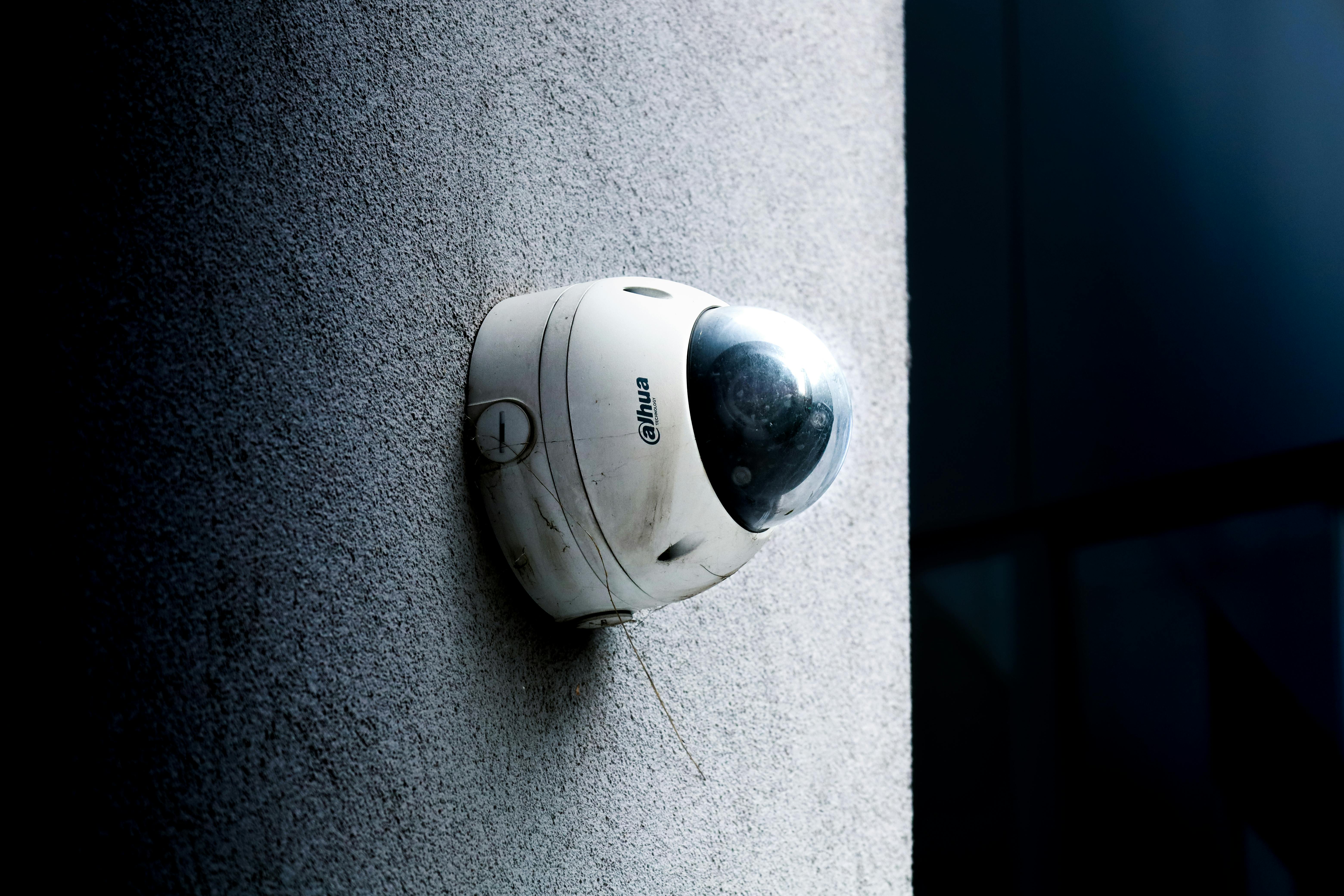
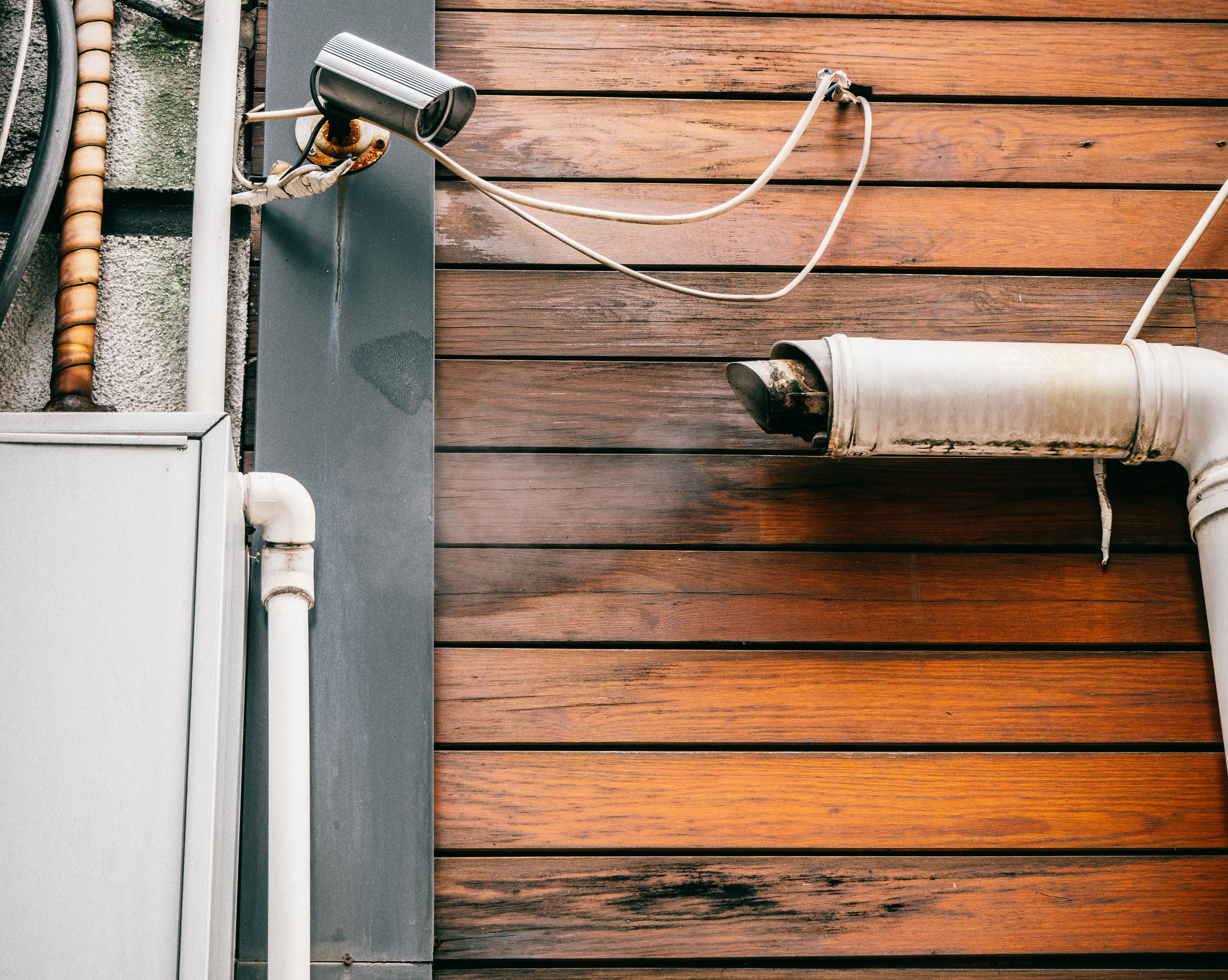

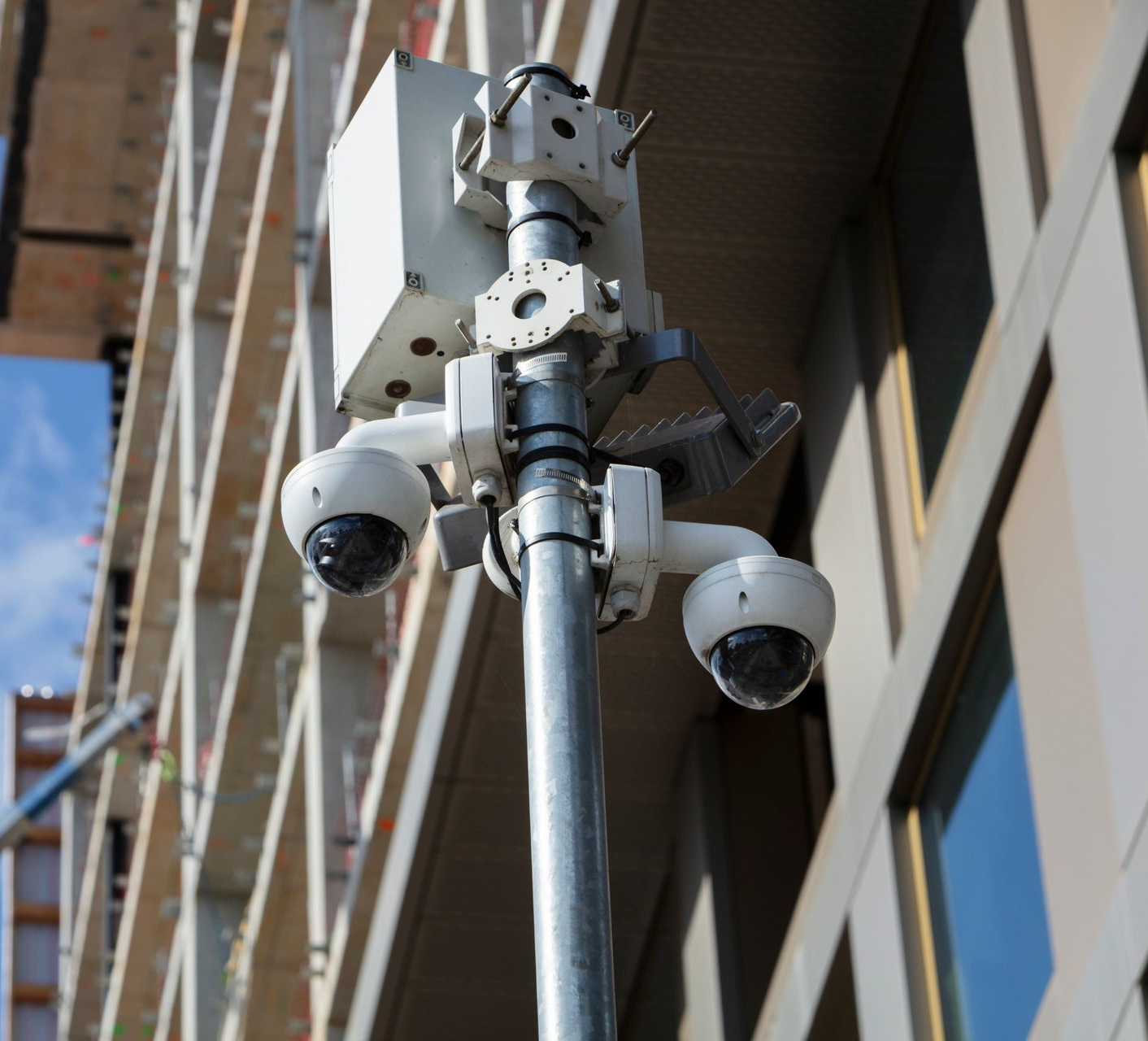
Mount your cameras securely using the provided hardware. Ensure they are positioned at the right angle and height to capture the desired area. For outdoor cameras, verify that they are weatherproof and installed in a covered location if possible.
3. Connect the System
Follow the manufacturer's instructions to connect your cameras to the DVR or NVR. This usually involves running cables from each camera to the recording device. If your system is wireless, connect each camera to your home Wi-Fi network.
4. Set Up Monitoring
Connect your DVR or NVR to a monitor or set up a smartphone app to view live footage. Configure settings like motion detection alerts and recording schedules according to your preferences.
5. Test Your System
Conduct a thorough test of each camera to ensure they are functioning correctly. Check the video quality, night vision capability, and alert notifications. Make any necessary adjustments to camera angles or settings.
Maintaining Your Surveillance System
Regular maintenance is crucial to keep your surveillance system running smoothly. Clean your cameras periodically to remove dust and debris, and check for firmware updates from the manufacturer to enhance security and performance.
Conclusion
Installing a home surveillance system in Colorado Springs can be a straightforward process with the right guidance. By following these steps and staying informed about the latest technology in 2026, you can effectively secure your home and enjoy the peace of mind that comes with it. If you have any questions or require professional assistance, the experts at Video Surveillance Solutions are here to help you every step of the way.
For more information or to schedule a consultation, contact us today.